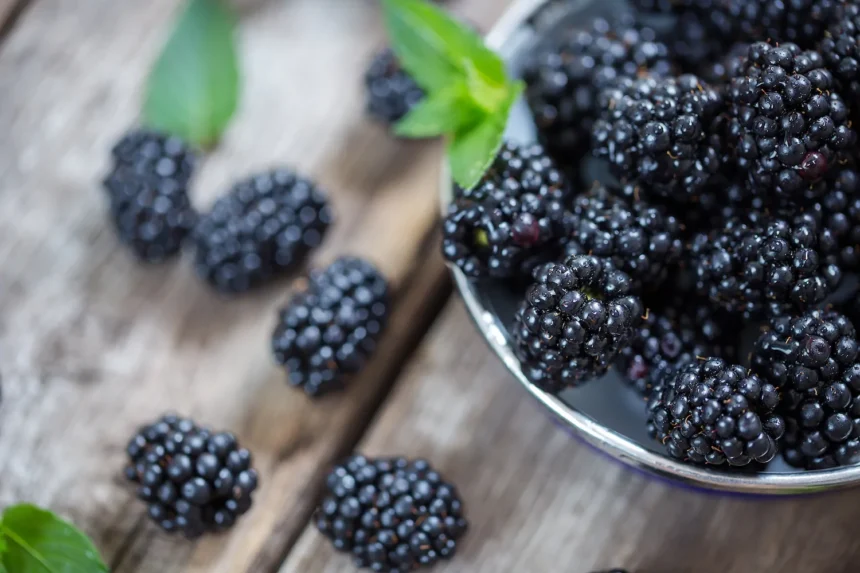
In recent years gardeners have begun to rediscover blackberries as a highly productive fruit crop rather than just a wild seasonal treat. Modern blackberry varieties offer larger fruits, improved sweetness, and thornless canes that make harvesting far easier than in the past. They also suit the British climate exceptionally well, thriving in the moderate rainfall and relatively cool summers typical of much of the UK.
For gardeners looking to diversify their fruit garden beyond apples, plums, or raspberries, blackberries present a practical option. They require relatively little space, can be trained along fences or trellises, and provide abundant harvests from late summer into early autumn. With the right variety, a single plant can yield several kilograms of fruit annually.
The fruit trees specialists at ChrisBowers note that interest in cultivated blackberry varieties has grown significantly among home gardeners. They advise that selecting high-quality nursery stock is important when establishing a productive patch. Gardeners researching blackberry plants for sale should focus on reputable varieties bred for flavour, disease resistance, and reliable cropping in UK conditions.
The following selection highlights seven blackberry varieties that stand out for British gardens, based on performance, fruit quality, and ease of cultivation.
Why Blackberries Deserve a Place in the British Garden
Blackberries offer several advantages that make them particularly well suited to the UK’s gardening conditions. Unlike many soft fruits, they tolerate a wide range of soils and climates. Provided the ground drains reasonably well and receives adequate sunlight, blackberry plants generally establish quickly and begin producing fruit within a year or two.
Another key advantage lies in their seasonal timing. Apples, pears, and plums dominate much of the traditional orchard harvest during late summer and early autumn, but blackberries complement these crops rather than competing with them. Many varieties ripen from August into October, filling a useful gap in the fruit calendar.
From a practical perspective, blackberry plants are also comparatively low maintenance. Once established, they require only simple annual pruning and basic support structures such as wires or trellises. Modern thornless varieties further simplify harvesting, reducing the risk of scratched hands and making them suitable for family gardens.
In addition, blackberries have strong culinary appeal. Fresh berries are widely used in crumbles, pies, jams, and cordials, while their high antioxidant content has drawn increasing attention among health-conscious consumers. Gardeners who enjoy preserving fruit often appreciate the generous yields that blackberry plants can provide.
Perhaps the most compelling reason to grow them, however, is their reliability. Many fruit crops can struggle with late frosts or unpredictable weather, but blackberry plants tend to flower later in the season, reducing frost damage. This resilience has helped maintain their popularity across Britain, from southern England to Scotland.
With improved cultivars now widely available, growing blackberries has become far more accessible for both experienced gardeners and beginners.
Early Season Performers: Loch Tay and Karaka Black
Gardeners who want to start their blackberry harvest earlier in the season should consider varieties known for their early fruiting habit. Two particularly reliable choices are Loch Tay and Karaka Black.
Loch Tay is a thornless variety developed in Scotland and widely regarded as one of the best early blackberries for British gardens. It produces medium to large fruits with excellent sweetness and a pleasant balance of acidity. The berries ripen from late July or early August, depending on location, providing one of the earliest blackberry harvests available.
The plant itself is vigorous but manageable, producing strong upright canes that respond well to simple training along wires or a fence. Thornless growth makes pruning and picking straightforward, and the variety has proven dependable across much of the UK.
Karaka Black offers a slightly different profile. Originally developed in New Zealand, it produces exceptionally long berries that can be striking in appearance. The fruit has a rich flavour and firm texture, making it suitable both for fresh eating and culinary use.
Karaka Black tends to crop heavily once established, and its berries often ripen just after the earliest varieties, extending the early blackberry season. Gardeners should note that the canes are thorny, which means gloves are recommended when harvesting.
Both varieties demonstrate how early-fruiting blackberries can integrate easily into a home fruit garden. By selecting at least one early variety, gardeners can begin harvesting weeks before the main blackberry season begins.
Reliable Mid-Season Varieties: Loch Ness and Natchez
The mid-season blackberry harvest typically represents the peak production period for many gardens. During August and early September, well-chosen varieties can produce large quantities of fruit over several weeks. Two particularly noteworthy cultivars in this category are Loch Ness and Natchez.
Loch Ness is one of the most widely grown blackberry varieties in Britain. Developed by the Scottish Crop Research Institute, it quickly gained popularity because of its combination of productivity, flavour, and thornless canes.
The berries are large, glossy, and firm, making them suitable for both fresh consumption and freezing. Many growers appreciate the variety’s long cropping period, which can extend for several weeks in favourable conditions. The plants themselves are vigorous yet manageable, responding well to standard training systems.
Natchez, a thornless variety developed in the United States, has also gained recognition among British gardeners. It produces very large berries with a sweet flavour and relatively low acidity. The fruit tends to be elongated and visually attractive, which is one reason the variety has become popular in commercial plantings.
Natchez can begin cropping slightly earlier than some traditional mid-season varieties, sometimes overlapping with the end of the early blackberry harvest. This timing helps ensure continuity of fruit production in the garden.
Gardeners who search for blackberry plants for sale often encounter these two varieties because of their reliability and strong yields. Planting both can provide a substantial mid-season harvest that bridges the gap between early and late varieties.
Late Harvest Choices: Chester and Triple Crown
For gardeners who want to extend blackberry harvesting well into autumn, late-fruiting varieties are essential. Chester and Triple Crown stand out as two of the most dependable late-season blackberries suitable for the British climate.
Chester Thornless is a long-established variety known for its productivity and resilience. The plant produces large crops of firm berries that ripen from late August into September and sometimes even early October in milder regions.
One reason for Chester’s popularity is its tolerance of different growing conditions. It performs well in both home gardens and larger fruit plantings, and the thornless canes simplify maintenance. The berries themselves have a balanced flavour, making them suitable for desserts, jams, and freezing.
Triple Crown offers another excellent option for extending the harvest season. The name reflects three key qualities the variety was bred for: flavour, productivity, and vigour. The berries are large, glossy, and particularly sweet when fully ripe.
Triple Crown plants are strong growers and can produce substantial yields when given adequate space and support. Their thornless canes make them easier to train and harvest compared with traditional blackberry types.
By including one or both of these varieties in a garden planting, growers can ensure that fresh blackberries remain available well after most early crops have finished.
A Unique Addition: Apache
While many gardeners focus on thornless varieties developed in Britain or Europe, Apache offers an interesting alternative. Originally bred in the United States, it is known for producing exceptionally large berries with a rich flavour.
Apache is distinctive because it combines thornless canes with very high fruit quality. The berries are often noticeably larger than those of many other varieties, which makes them appealing for fresh eating and desserts.
The plant tends to produce upright canes, which simplifies training and helps keep the fruit clean and accessible. Harvesting typically begins in mid to late summer, placing Apache somewhere between the main mid-season and late-season varieties.
Another advantage of Apache is its consistent performance once established. The plant can produce substantial yields under favourable conditions, and its thornless habit makes it manageable in smaller gardens.
For gardeners exploring blackberry plants for sale, Apache often stands out as a variety that combines impressive berry size with practical cultivation characteristics.
Planting, Training, and Long-Term Care
Choosing the right varieties is only one part of establishing a successful blackberry planting. Proper planting and care will determine how well the plants perform over the years.
Although they can withstand some shade, blackberries thrive in full sun. The soil should be well-drained and relatively fertile. Adding organic matter, such as compost or well-rotted manure, before to planting enhances the soil’s structure and nutrient availability.
Most blackberry varieties benefit from a simple support system. A common approach involves installing horizontal wires along a fence or trellis and tying new canes in place as they grow. This keeps the plants organised and ensures good airflow around the fruit.
Pruning is also essential for maintaining productivity. After fruiting, the canes that produced berries should be removed, allowing new growth to develop for the following season. This annual cycle keeps plants vigorous and prevents overcrowding.
Watering during dry periods can significantly improve fruit size and yield, particularly during the summer months when berries are forming. Applying mulch around the base of plants helps conserve moisture and suppress weeds.
With proper care, blackberry plants can remain productive for many years. Many gardeners find that once established, they become one of the most dependable and rewarding fruit crops in the garden.
By selecting proven varieties such as Loch Tay, Karaka Black, Loch Ness, Natchez, Chester, Triple Crown, and Apache, British gardeners can enjoy a long season of home-grown blackberries with relatively modest effort.